Assisted Living vs. Remaining At Home: Which Is Right for You?
Business Name: BeeHive Homes of Taylor Ranch
Address: 6004 Whiteman Dr NW, Albuquerque, NM 87120
Phone: (505) 302-1919
BeeHive Homes of Taylor Ranch
At BeeHive Homes of Taylor Ranch, New Mexico, we offer the finest assisted living experience available in a cozy, comfortable homelike setting. Each of our residents has their own spacious room with an ADA approved bathroom and shower. We prepare and serve delicious home-cooked meals three times a day every day. We maintain a small, friendly elderly care community. We provide regular activities that our residents find fun and contribute to their health and well-being. Our staff is attentive and caring and provides assistance with daily activities to our senior living residents in a loving and respectful manner. We would like to invite you to tour and experience our assisted living home and feel the difference.
6004 Whiteman Dr NW, Albuquerque, NM 87120
Business Hours
The question appears practical, yet it typically lands with more weight than individuals anticipate. It is seldom nearly where a person will certainly rest in the evening. It is about safety, dignity, regimens, cash, family transmission capacity, and the type of assistance a person actually needs versus the aid they wish they will certainly never ever require. I have actually seen households spend months circling this choice, attempting to shield a parent's self-reliance while silently worrying about falls, missed out on medications, lonely afternoons, or a fridge that is complete however unused.
Assisted living and remaining at home can both be ideal options. The far better question is not which option appears better theoretically, but which one fits the individual's reality. That implies considering health and wellness, home design, social demands, funds, and the stress that caregiving is already putting on everybody involved.
What assisted living actually offers
Many people hear assisted living and image an area that takes over a person's life. That is not normally how it functions. Excellent assisted living neighborhoods are developed for older adults who want to maintain as much independence as feasible while obtaining help with daily tasks they no more want to take care of alone.
That assistance usually includes bathing, dressing, drug reminders, meals, housekeeping, transportation, and some level of guidance. The details differ commonly from one area to an additional, which is why searching for assisted living near me is only the initial step. The actual work comes after that, when you start asking what sort of support is in fact consisted of and how the area takes care of changing needs over time.
The toughest assisted living areas have a rhythm to them. Homeowners can select when to stand up, where to consume, whether to join an activity, and how much framework they want in a day. For someone who has actually been separated in the house, that alter alone can be profound. I have actually seen people who had quit talking much in your home come to be more computer animated after a few weeks in a neighborhood dining room or workout course. Not since the setting is enchanting, but because it restores get in touch with, routine, and a little momentum.
Still, assisted living is not a clinical facility. If someone needs complex nursing care, constant assisted living knowledgeable therapy, or close guidance for innovative dementia, the fit may not be right. That distinction matters, since households sometimes presume that relocating into senior living fixes every trouble. It does not. It addresses some problems effectively and leaves others for a various degree of care.
What staying at home can do well
There is a reason many older adults wish to stay in their very own homes. Home holds memory. It holds practices, favorite chairs, familiar sunlight, and the comfort of recognizing where every little thing is. For someone with manageable needs, remaining at home can maintain a large amount of self-reliance and lower the psychological disruption that includes a move.
If the home comes, the person is still steady on their feet, and there is trusted support close by, aging in place can function wonderfully. A solid arrangement usually consists of dish help, transportation, drug management, home cleaning, and occasional senior care assistance. In some homes, relative provide a lot of that support. In others, home care aides fill the gaps.
The challenge is that home hardly ever remains fixed. A person might begin with aid for groceries and laundry, then need support after an autumn, after that need everyday oversight after a hospitalization. What functioned six months ago can come to be fragile really rapidly. That is where households can get captured unsuspecting. They think they are handling fine because the schedule looks manageable, yet they do not notice the buildup of small issues, the missed expenses, the forgotten appointments, the duplicated near-falls, the unopened mail, or the meals missed since cooking feels like as well much.
Staying at home can be the ideal selection, but only if the support system is honest about what it can sustain.
The clearest difference is not comfort, it is coverage
Comfort matters, naturally. But the more useful difference between assisted living and staying at home is coverage. In the house, the person might have stretches of total independence, which sounds perfect until something occurs at 7:00 p.m. On a Saturday and nobody is there. In assisted living, assistance is usually close by and regimens are developed around the demands of older grownups, not around a household's good luck or availability.

That does not make assisted living automatically better. It makes it much more foreseeable. For family members taking care of dementia, drops danger, or drug complication, predictability can matter greater than personal privacy. If someone has actually begun roaming, neglecting the stove, or duplicating the very same inquiry all afternoon, a home arrangement can come to be delicate really promptly, despite having dedicated household support.
On the various other hand, if a person is still extremely capable and just requires periodic help, a move to assisted living might feel premature. Some older adults do better with a few hours of home support than with a major relocation. The best option is usually the one that matches the real pattern of demand, not the worst-case fear.
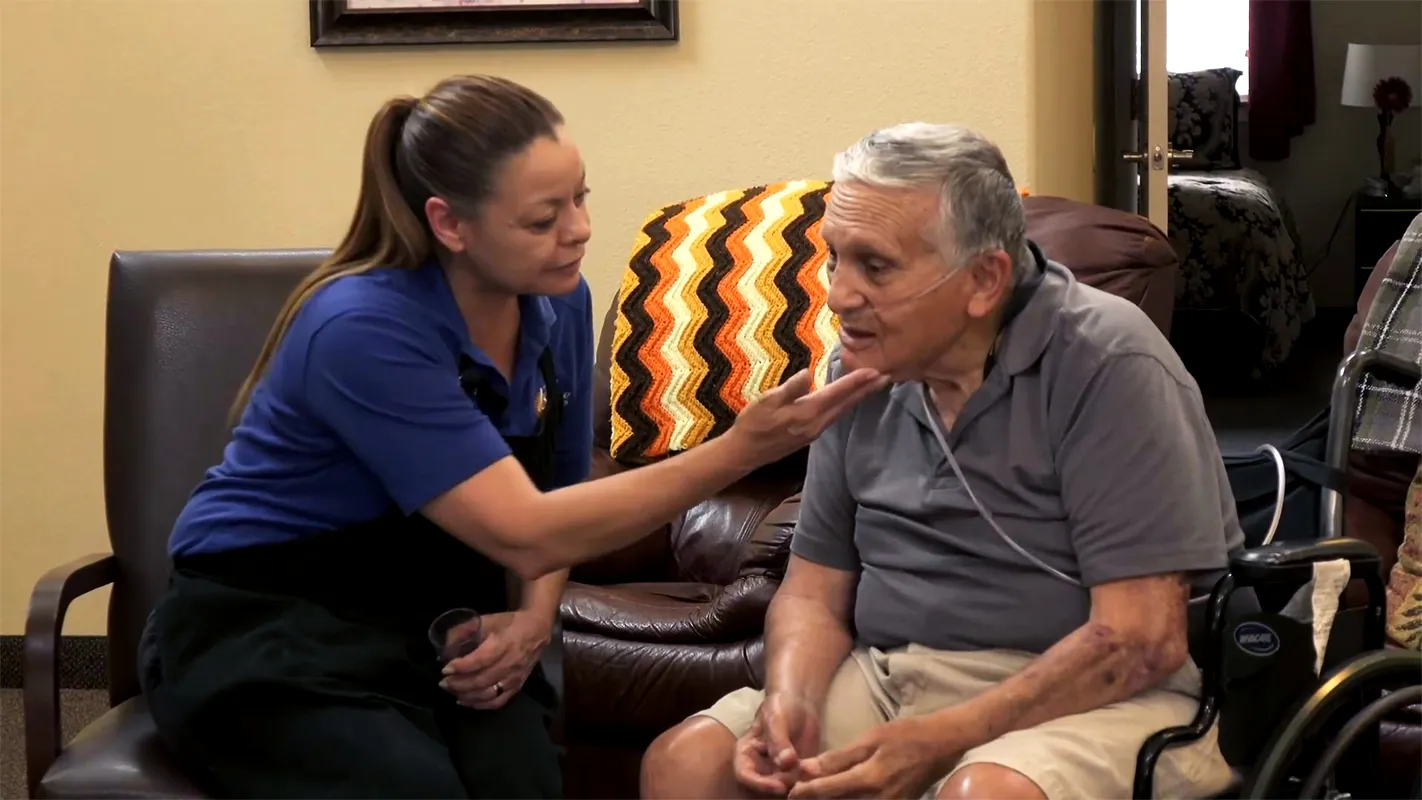
Money alters the conversation quicker than the majority of family members expect
Finances are typically the component individuals avoid until completion, after that wish they had reviewed previously. Assisted living has a month-to-month price that can be less complicated to recognize than the patchwork of home costs, but that does not immediately make it more affordable. In the house, families might take too lightly the cumulative cost of part-time assistants, food distribution, transportation, home modifications, drugs, autumn avoidance equipment, and shed work hours from caregiving.
The math depends on how much aid is required. An individual who just needs a few hours of support each week may invest less staying at home. A person who requires daily help, overnight coverage, or duplicated emergency back-up can see the cost rise quickly. There is likewise an emotional expense to family caregivers who extend themselves also slim. That strain does not constantly show up on a spreadsheet, however it is real.
I have talked to adult youngsters that assumed home care would certainly be a lot more budget friendly, after that uncovered they were spending for separate items that never fairly amounted to a steady strategy. I have actually likewise seen families choose assisted living and later realize they had paid for satisfaction as much as for solutions. That is not a negative thing. It just requires to be recognized honestly.
When individuals compare senior living options, they should request for a full photo of monthly costs, what is consisted of, what costs additional, and exactly how prices transform if care demands boost. It is easy to be attracted by a base cost that looks convenient and miss the add-ons that form the genuine total.
Safety is hardly ever regarding one significant event
Families often make this decision after a loss, a drug mistake, or a frightening evening when somebody might not be gotten to. However safety problems are typically constructed from smaller signals that appear long before the situation. An individual might have contusions from encountering furnishings, leave burners on, miss out on refills, or become unstable in the shower. None of those problems alone may require a modification, yet with each other they develop a pattern.
Assisted living can decrease a few of that danger due to the fact that the atmosphere is made for aging bodies. Hallways are typically simpler to browse, bathrooms are a lot more obtainable, dishes are regular, and staff neighbor. That said, no setup gets rid of threat totally. People still drop, still get ill, and still have bad days.
At home, safety depends heavily on the format and on how much support exists. A one-story residence with grab bars, excellent lights, a walk-in shower, and enough family or paid assistance can be a great arrangement. A two-story house with high stairs, narrow restrooms, and long periods alone is one more matter entirely.
If the conversation has actually reached the point where a person is asking whether senior care near me can prevent an additional dilemma, that is usually an indication to examine the atmosphere, not just the individual. Home can be risk-free, but just if it is adjusted to the individual's changing abilities.
Independence suggests different things to different people
This part of the conversation typically obtains streamlined, yet it needs to not be. Someone defines self-reliance as staying in the household home regardless of what. One more defines it as not depending upon their children for every single dish, adventure, and prescription. Both are legitimate.
Some older grownups actually acquire independence in assisted living due to the fact that they no more require to wait for a little girl to arrive after job or a child to stop by on weekend breaks. They can make choices inside a secure regimen, which can really feel much more independent than being "alone" in your home but reliant in method. Others feel greatly independent when they can keep their own house, also if that means approving outside help.
The healthiest decision typically comes when family members quit treating independence as an all-or-nothing concept. An individual can live in the house and still need considerable assistance. A person can relocate into assisted living and still make most of their own everyday selections. The concern is not whether assistance exists. The concern is whether the person's life still seems like their own.
The covert problem is normally caregiver fatigue
I have actually seldom seen this decision hinge on one medical reality alone. More often, it boils down to exhaustion. A partner is tired. A grown-up child is travelling to and fro. A person has actually missed out on too much job. The family members has actually come to be the backup plan for everything.
Caregiver tiredness is one of the clearest indications that remaining at home might no more be lasting without outdoors assistance. It does not imply member of the family have failed. It means the scenario has expanded beyond what love alone can bring. That is an uncomfortable reality, particularly in families that have always prided themselves on taking care of their own.
Respite care can purchase time and clarity when points are uncertain. A temporary remain in a care setting or a few weeks of added aid in the house can show the family members what the following stage may require. In some cases that breathing room exposes that home is still convenient with more support. Occasionally it makes the case for assisted living distinct. In either case, respite care can maintain the choice from being made in a panic.
How to analyze the decision without obtaining stuck
The ideal choices are generally more practical than dramatic. Households do better when they look at real regimens instead of abstract preferences. What does a common early morning resemble? Can the person rise safely? Can they handle pills, dishes, and hygiene? Are they lonesome enough to matter yet not enough to confess? Are member of the family providing care because it is lasting, or because no one has actually stated out loud that it is too much?
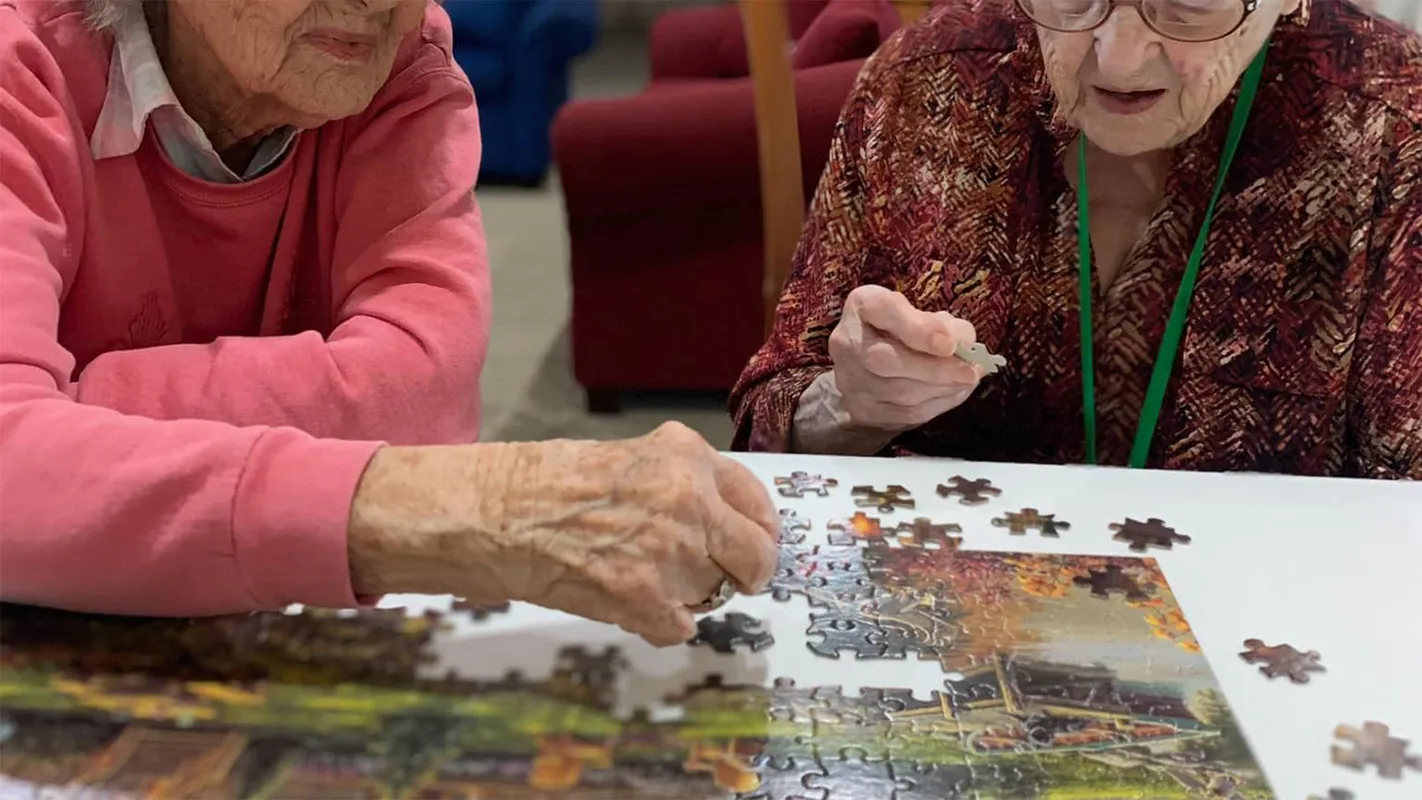
A useful method to arrange this out is to pay attention to where the problems collection. If the issues are primarily social, mild physical support needs, and meal preparation, staying at home with services might work well. If the problems entail roaming, duplicated drops, unsafe cooking, missed out on medicines, or boosting confusion, assisted living may provide a far better level of structure.
There is likewise the issue of timing. Lots of families wait also long because the older adult states no at first and the family members wants to value that. Respect issues, yet so does realistic look. A person that is still able to participate in the choice has even more alternatives than someone that is forced into a relocation after a hospitalization. The earlier the discussion starts, the more choices stay on the table.
What to ask when you tour a community or interview home care
Whether you are comparing assisted living areas or coordinating support at home, the information matter greater than the sales pitch. Ask how care is handled day to day, who reacts if someone decreases, how meals are handled, and what happens if a resident's demands enhance. If you are considering assisted living near me, visit more than once if you can. An area can feel extremely different during a silent weekday morning than it does throughout lunch or late afternoon.
At home, ask the same kind of practical inquiries. Who will cover weekend breaks? What happens if an assistant calls out? Just how will medications be organized? That look at the individual after a fall? If family members are actioning in, just how much is practical prior to exhaustion starts to show?
You do not require a perfect solution to every circumstance, yet you do need sufficient structure to recognize the plan can survive a poor week.
A straightforward contrast in simple language
If you remove the emotion, the choice frequently resembles this: assisted living offers integrated assistance, regular, and social call, while remaining at home deals knowledge, privacy, and the opportunity of lower expense if demands are moderate. Assisted living can be a better fit when daily help is becoming continuous or harmful to handle alone. Remaining at home can be a much better fit when the person is steady, the home can be adjusted, and the support network is solid enough to last.
Neither choice is globally far better. The ideal solution depends upon the person's needs today, not the ideal variation of what tomorrow could look like.
The decision is much easier when you match the setting to the period of life
There are periods when home is clearly the appropriate place. There are likewise seasons when the problem of staying at home outweighs the comfort of it. Some families arrive at assisted living after a lengthy and cautious process, and the step seems like relief. Others make the selection reluctantly, after that uncover that the person settles in far better than any individual expected. A couple of proceed in the house for as lengthy as possible and prosper since they built a solid care network early.
The hardest scenarios are the ones where every person is really hoping the existing plan will certainly hold, despite the fact that the warning signs are already visible. That is normally where a clear-eyed discussion conserves the most discomfort later.
If you are weighing assisted living versus staying at home, pay attention to what is occurring on regular days. Not the very best day. Not the emergency day. The regular one. That is where the truth generally lives.
For some family members, the response will certainly be a relocation right into senior living. For others, it will certainly be home with a more powerful care plan, possibly with help from senior care services, medication assistance, or set up respite care so family members caregivers can rest and return. The right answer is the one that maintains the individual safe, respected, and as independent as possible without making believe that requirements do not exist.
BeeHive Homes of Taylor Ranch provides assisted living care
BeeHive Homes of Taylor Ranch provides memory care services
BeeHive Homes of Taylor Ranch provides respite care services
BeeHive Homes of Taylor Ranch supports assistance with bathing and grooming
BeeHive Homes of Taylor Ranch offers private bedrooms with private bathrooms
BeeHive Homes of Taylor Ranch provides medication monitoring and documentation
BeeHive Homes of Taylor Ranch serves dietitian-approved meals
BeeHive Homes of Taylor Ranch provides housekeeping services
BeeHive Homes of Taylor Ranch provides laundry services
BeeHive Homes of Taylor Ranch offers community dining and social engagement activities
BeeHive Homes of Taylor Ranch features life enrichment activities
BeeHive Homes of Taylor Ranch supports personal care assistance during meals and daily routines
BeeHive Homes of Taylor Ranch promotes frequent physical and mental exercise opportunities
BeeHive Homes of Taylor Ranch provides a home-like residential environment
BeeHive Homes of Taylor Ranch creates customized care plans as residents’ needs change
BeeHive Homes of Taylor Ranch assesses individual resident care needs
BeeHive Homes of Taylor Ranch accepts private pay and long-term care insurance
BeeHive Homes of Taylor Ranch assists qualified veterans with Aid and Attendance benefits
BeeHive Homes of Taylor Ranch encourages meaningful resident-to-staff relationships
BeeHive Homes of Taylor Ranch delivers compassionate, attentive senior care focused on dignity and comfort
BeeHive Homes of Taylor Ranch has a phone number of (505) 302-1919
BeeHive Homes of Taylor Ranch has an address of 6004 Whiteman Dr NW, Albuquerque, NM 87120
BeeHive Homes of Taylor Ranch has a website https://beehivehomes.com/locations/taylor-ranch/
BeeHive Homes of Taylor Ranch has Google Maps listing https://maps.app.goo.gl/VjePfgdypFLUTXAZ6
BeeHive Homes of Taylor Ranch has Instagram page https://www.instagram.com/beehivealbuquerquewest
BeeHive Homes of Taylor Ranch has an TikTok page https://www.tiktok.com/@beehivehomesalbuq
BeeHive Homes of Taylor Ranch has an YouTube page https://www.youtube.com/@hamiltonshives4468
BeeHive Homes of Taylor Ranch won Top Assisted Living Homes 2025
BeeHive Homes of Taylor Ranch earned Best Customer Service Award 2024
BeeHive Homes of Taylor Ranch placed 1st for Senior Living Communities 2025
People Also Ask about BeeHive Homes of Taylor Ranch
What is BeeHive Homes of Taylor Ranch Living monthly room rate?
Our base rate is $6,900 per month. We do an assessment of each resident's needs prior to move-in, so each resident's rate may be slightly higher. However, there are no "a la carte" charges or hidden fees. We do charge a one-time community move-in fee of $2,000
Does Medicare or Medicaid pay for a stay at Bee Hive Homes?
Medicare pays for hospital and nursing home stays, but does not pay for assisted living as a covered benefit. Some assisted living facilities are Medicaid providers, but we are not. We accept private pay, long-term care insurance, and we can assist qualified Veterans with approval for the Aid and Attendance program
Do we have a nurse on staff?
We do have a nurse on contract who is available as a resource to our staff but our residents' needs do not require a nurse on-site. We always have trained caregivers in the home and awake around the clock
What can you tell me about the food at Bee Hive?
You have to smell it and taste it to believe it! We use dietitian-approved menus with alternates for flexibility, and we can accommodate needs for different textures and therapeutic diets. We have found that most physicians are happy to relax diet restrictions without any negative effect on our residents
Do we allow pets?
We do allow small pets as long as the resident is able to care for them. State regulations also require that we have evidence of current immunizations for any required shots
Where is BeeHive Homes of Taylor Ranch located?
BeeHive Homes of Taylor Ranch is conveniently located at 6004 Whiteman Dr NW, Albuquerque, NM 87120. You can easily find directions on Google Maps or call at (505) 302-1919 Monday thru Sunday: 10:00am to 7:00pm
How can I contact BeeHive Homes of Taylor Ranch?
You can contact BeeHive Homes of Taylor Ranch by phone at: (505) 302-1919, visit their website at https://beehivehomes.com/locations/taylor-ranch/ or connect on social media via Instagram Facebook or TikTok
You might take a short drive to the New Mexico Museum of Natural History and Science. The New Mexico Museum of Natural History and Science offers educational exhibits and multigenerational experiences for families connected with Assisted living memory care senior care elderly care and respite care.